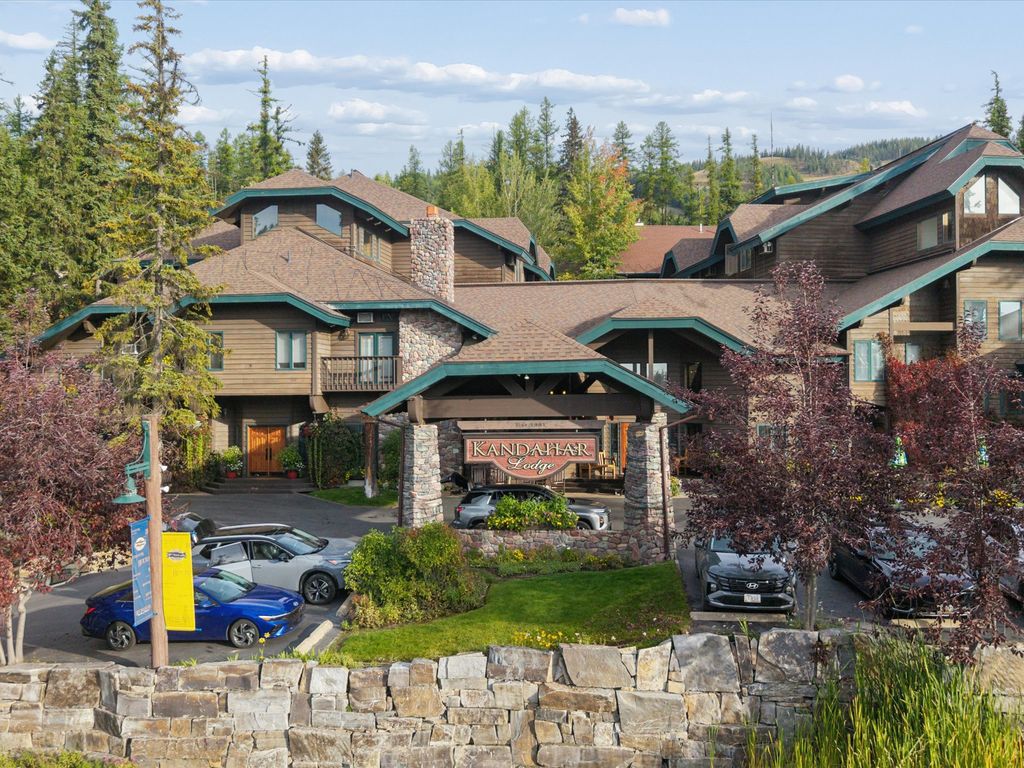
Whitefish, MT
3824 Big Mountain Road 211, Whitefish, MT 59937
· 1 BA · 0.001 AC
$325,000
A vibrant mountain town between the lake and the mountain
This guide could not be found or may no longer be published.
Browse Area GuidesReviewed by Tatum Hoehn · September 22, 2026
Statistics as of July 1, 2025
Whitefish sits at the north end of Montana's Flathead Valley, at just over 3,000 feet, where the valley floor meets the forested front of the Whitefish Range. The town grew up around the Great Northern Railway, and the railroad still shapes it: the depot at the head of Central Avenue anchors a compact downtown grid, BNSF freight traffic rolls through day and night, and Amtrak's Empire Builder stops daily in each direction, westbound toward Seattle in the morning, eastbound toward Chicago in the evening. That history gives Whitefish something many resort towns never had: a walkable core of shops, restaurants, and bars that stays open and lived-in through all four seasons rather than shutting down between them.
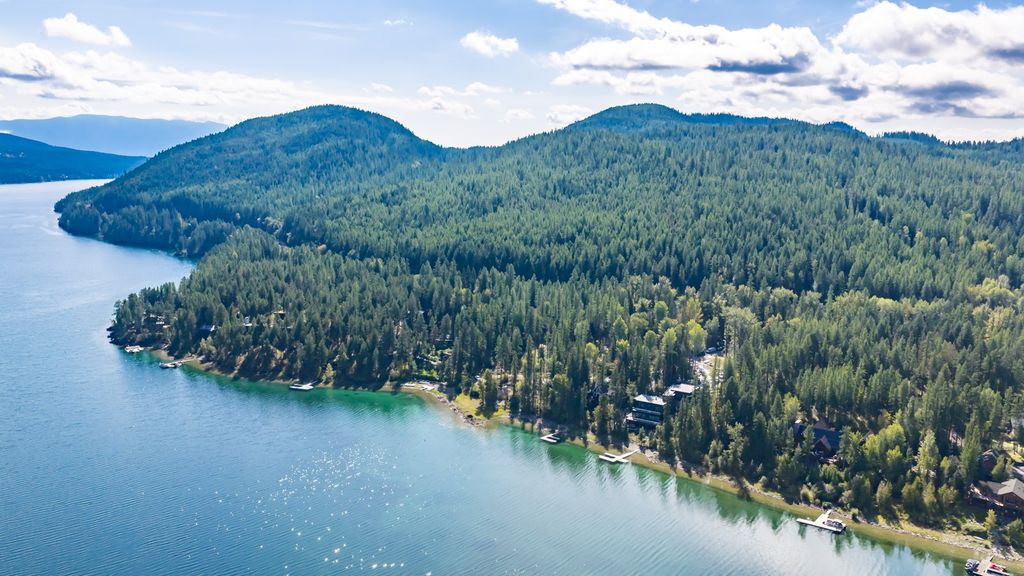
Three landscapes organize daily life. Whitefish Lake edges the northwest side of town, with City Beach close to downtown and a state park campground and boat launch on the west shore. Big Mountain rises directly north of town, home to Whitefish Mountain Resort's 3,000 skiable acres and 2,353 feet of vertical. And the west entrance of Glacier National Park is roughly 25 miles east, close enough for an after-dinner drive up the Going-to-the-Sun Road corridor, far enough that Whitefish keeps its own identity instead of functioning as a gateway strip.
Practical life leans on the whole valley. Kalispell, 15 miles south on U.S. 93, is the Flathead's commercial hub for big-box shopping, county offices, and the regional medical center; Glacier Park International Airport sits between the two towns, about 15 miles from Whitefish. In town, Logan Health – Whitefish operates a 25-bed critical access hospital with an emergency department and birth center, and the Whitefish School District runs its own elementary, middle, and high schools, so day-to-day needs rarely require leaving town, but the bigger errands assume a car and a half-hour round trip.
Town and mountain get different winters. NOAA's 1991–2020 normals put average snowfall in town at about 65 inches a year, while Whitefish Mountain Resort reports nearly 300 inches at elevation...so a morning that needs a shovel downtown can be a powder day up top. Winter tires are standard equipment, driveways get plowed on contract, and valley inversions can hold fog and gray over town for stretches of January while the summit sits in sunshine above the clouds.
Summer flips the rhythm. July and August bring long, dry days, a swimmable lake, and the peak of Glacier National Park traffic moving through the valley, full restaurants, busy trailheads, and slow weekend drives on U.S. 93. Late summer is also wildfire-smoke season across the Northern Rockies; in heavy fire years, stretches of August air can be unhealthy enough to move life indoors. Locals tend to claim the shoulder seasons: September and October, when the crowds thin and the larches turn, and the quiet weeks of early winter before the holidays.
For a town under 10,000 people, Whitefish is unusually easy to reach. Glacier Park International Airport, about 15 miles south, carries service from Alaska, Delta, United, Allegiant, American, and Sun Country, with daily flights to western hubs year-round and a wider set of seasonal nonstops in summer and ski season. Amtrak's Empire Builder stops at the downtown depot daily in each direction, running west to Seattle or Portland and east to Chicago — one of the few ski towns in the country where the train drops you within walking distance of Main-Street-style lodging.
Within the valley, U.S. 93 is the north–south spine: Kalispell and its services are 15 miles south, and Columbia Falls sits a short drive east on the way to the park. Winter driving is a real consideration — the highways are plowed and well traveled, but storms, ice, and deer are routine, and there is no meaningful public transit between towns, so most households plan around a capable vehicle.
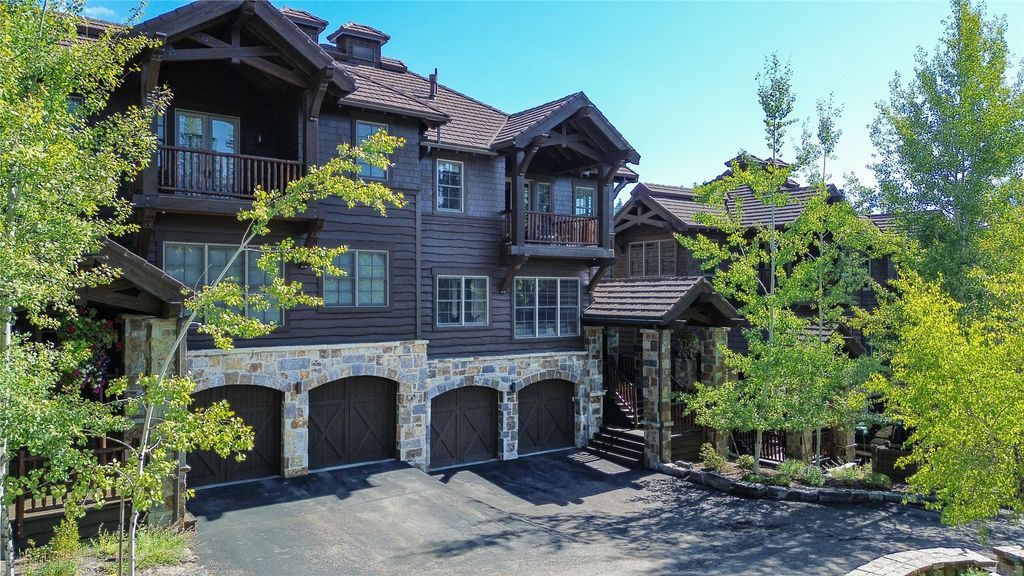
Whitefish's housing spans a wide range of settings: early-1900s cottages and infill on the walkable blocks around downtown, established mid-century neighborhoods near the schools, newer subdivisions toward the south and west edges of town, condominiums and townhomes at the base of Big Mountain, golf-course homes around the Whitefish Lake Golf Club, and a limited supply of lakefront. Acreage and timbered parcels begin quickly outside city limits in unincorporated Flathead County, where county, not city, rules apply.
Two local policies matter to buyers. Short-term rentals are restricted by city code to specific zoning districts (primarily resort-oriented areas such as the mountain base and designated resort districts) and require registration, a business license, and annual fire inspection; most in-town residential zones do not allow them, so an investment strategy built on nightly rentals needs a zoning check before an offer. Second, a 3% resort tax applies to lodging, restaurant, and bar sales, and luxury retail inside city limits; voters renewed it in 2021 by a wide margin through 2045, and it funds street repair, parks, and property tax relief. Growth is the town's defining tension: the population grew more than 20% between the 2020 census and 2025, and the city runs a deed-restricted Legacy Homes Program aimed at keeping some ownership and rental stock tied to local workforce incomes. A local agent can explain how these programs and district boundaries apply to any specific property.
No current property results were returned for Whitefish.
From short-term rental districts to winter access on a specific road, the details in Whitefish are local. Our agents who live and work in the Flathead Valley can walk you through them.
Reviewed by Tatum Hoehn on September 22, 2026.
Area Guide content is unavailable.