Coeur d'Alene, ID
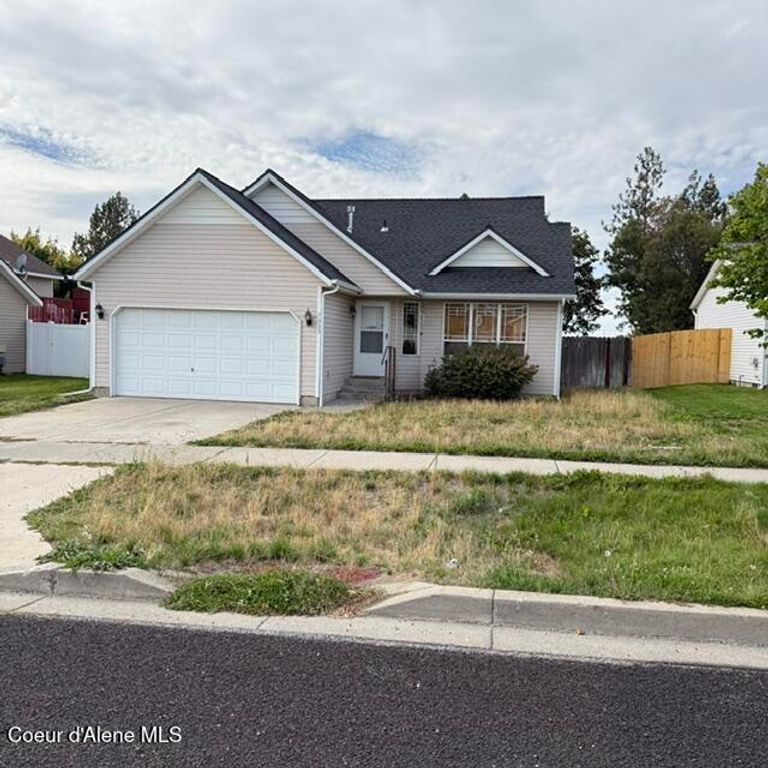
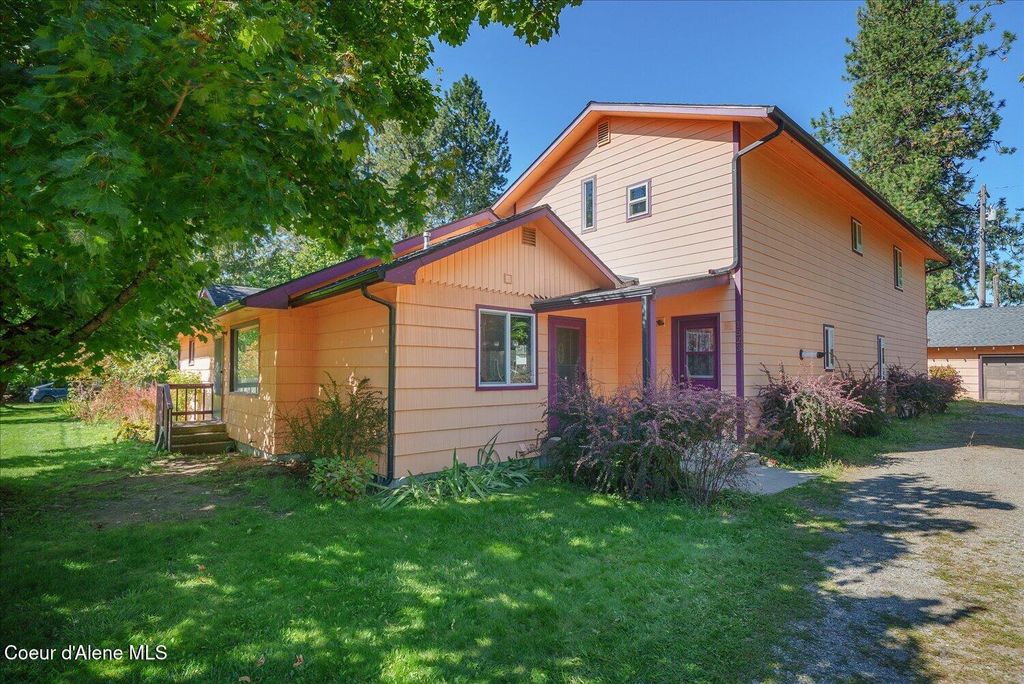
7533 N Winterview Drive, Coeur d'Alene, ID 83815
3 BR · 2 BA · 0.14 AC
$415,000
The Lake City, where downtown ends at a 25-mile lake and the forest starts at the edge of town
This guide could not be found or may no longer be published.
Browse Area GuidesReviewed by Dustin Stewart · September 21, 2026
Statistics as of July 1, 2025
Coeur d'Alene, locals just say CdA, or the Lake City, sits where 25-mile-long Lake Coeur d'Alene empties into the Spokane River and Interstate 90 crosses the Idaho Panhandle. It is the Kootenai County seat and, unlike most towns in this part of the map, a genuine small city: roughly 58,000 people in town and about 192,000 countywide as of mid-2025, in one of the fastest-growing corners of the Northwest. Spokane is about 30 miles west on I-90, close enough that many households treat the two cities as a single commute shed, with Spokane International Airport around 40 minutes from downtown.
The city grew up around Fort Sherman, established on the lakeshore in 1878, then around railroads, steamboats, timber, and the mining traffic of the Silver Valley to the east. By the 1980s, tourism had become the lead industry; and today, the resort economy is impossible to miss. The Coeur d'Alene Resort towers over downtown with its marina and famous floating boardwalk, but it sits alongside real civic infrastructure: Kootenai Health, a 381-bed regional medical center; North Idaho College on the old Fort Sherman grounds at the lake's outlet; and School District 271, which enrolled about 9,600 students across 18 schools in 2024-25.
What sets Coeur d'Alene apart is how directly city life meets the water. Sherman Avenue, the historic main street, ends a block from the lakefront; McEuen Park and the 165-acre Tubbs Hill natural area sit at its foot; and national forest trails start on Canfield Mountain at the city's northeast edge. The honest tradeoff is growth itself: Kootenai County added roughly 20,000 residents between 2020 and 2025, and summer crowds, construction, and planning debates come with the territory. Newcomers should expect a fast-growing small city with resort-town summers, not a sleepy lake town.
Summer is the season the city is built around. The lake warms enough for real swimming, the downtown beaches and Tubbs Hill coves fill, boats stack up at the public launches, and the floating boardwalk and Sherman Avenue patios run at capacity. It is also when residents share their town: tourism has led the local economy since the 1980s, and July and August bring genuine crowds, event weekends, and slow traffic on the lake drives. Locals adapt the way resort-town residents everywhere do: early starts on the water, errands timed around events, and a working knowledge of which beaches the visitors have not found. Late summer occasionally brings drifting wildfire smoke from fires around the region; it's worth knowing if air quality is a health concern.
The other three seasons are the quiet reward. Fall turns Tubbs Hill and the lake drives gold with larch and maple; winter brings reliable snow to the mountains while city streets stay plowed and passable, with four ski areas: Silver Mountain, Lookout Pass, Schweitzer, and more, between 30 minutes and just over an hour away along I-90 and US 95. The lake itself sits about seven feet lower in winter, drawn down through the Post Falls Dam. Spring comes earlier than newcomers from the Rockies expect at 2,100 feet, and the NOAA weather record kept here since 1895 describes a four-season climate that is snowy but rarely extreme by northern-Idaho standards.
Coeur d'Alene sits at the junction of Interstate 90 and US Highway 95, the two arteries of the Inland Northwest, and its relationship with Spokane is a defining feature of life here. Downtown Spokane is about 30 miles west, and Spokane International Airport, with daily nonstop flights to the major hubs, is roughly a 40-minute drive. Plenty of households live on one side of the state line and work, shop, or fly from the other, and the corridor between the two cities has filled in accordingly. Closer to home, the Coeur d'Alene Airport north of town is one of the West's busiest general-aviation fields, Citylink runs fare-free bus routes through the area, and Amtrak service is available from Spokane.
Unlike most of North Idaho, the essential services are in town rather than a drive away. Kootenai Health is a 381-bed regional referral center with a Level II trauma designation and more than 25 specialties, serving the smaller Panhandle towns. Coeur d'Alene School District 271 operates 18 schools with about 9,600 students, and North Idaho College, the community college founded in 1933 on the lakeshore, serves more than 5,000 credit students. For anything the city lacks, Spokane's larger medical systems and universities are within an hour's drive west.
Coeur d'Alene's housing stock tells its history in rings. Closest to downtown, the Garden District, roughly Lakeside to Montana Avenue between Fifth and 11th Streets, holds more than 500 homes built mostly between 1890 and 1940, and was listed in the National Register of Historic Places in 2025, a designation that brings recognition rather than restrictions. Along the water and on the slopes above it are the lakefront and view properties the city is known for, while condominium towers cluster near the resort downtown. North of the interstate, decades of subdivision growth run toward Hayden, where most of the city's newer single-family construction sits. Growth is the constant: the city added about 6.5 percent to its population between 2020 and 2025, and the county about 12 percent, so construction timelines, impact fees, and planning decisions are live topics worth discussing with an agent.
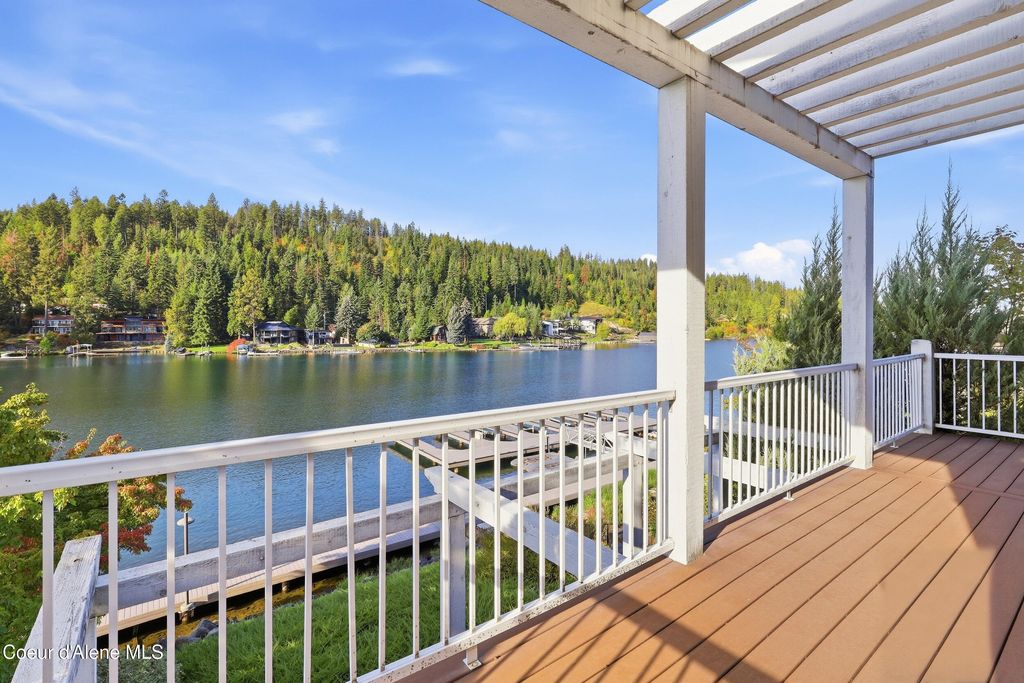
Two pieces of context serve buyers well. Idaho's homeowner's exemption removes 50 percent of an owner-occupied home's value — up to $125,000 — from property tax, a meaningful distinction between primary residences and second homes here. And the lake itself is both centerpiece and stewardship project: a century of upstream Silver Valley mining left metals in the lake's bottom sediments, and water quality is managed under a lake management plan by the Idaho DEQ and the Coeur d'Alene Tribe. The lake is widely used for swimming and recreation, and waterfront owners inherit a share of that stewardship; dock rules, shoreline practices, and nutrient management are part of responsible lakefront ownership, and a local agent can walk you through what applies to a given parcel.
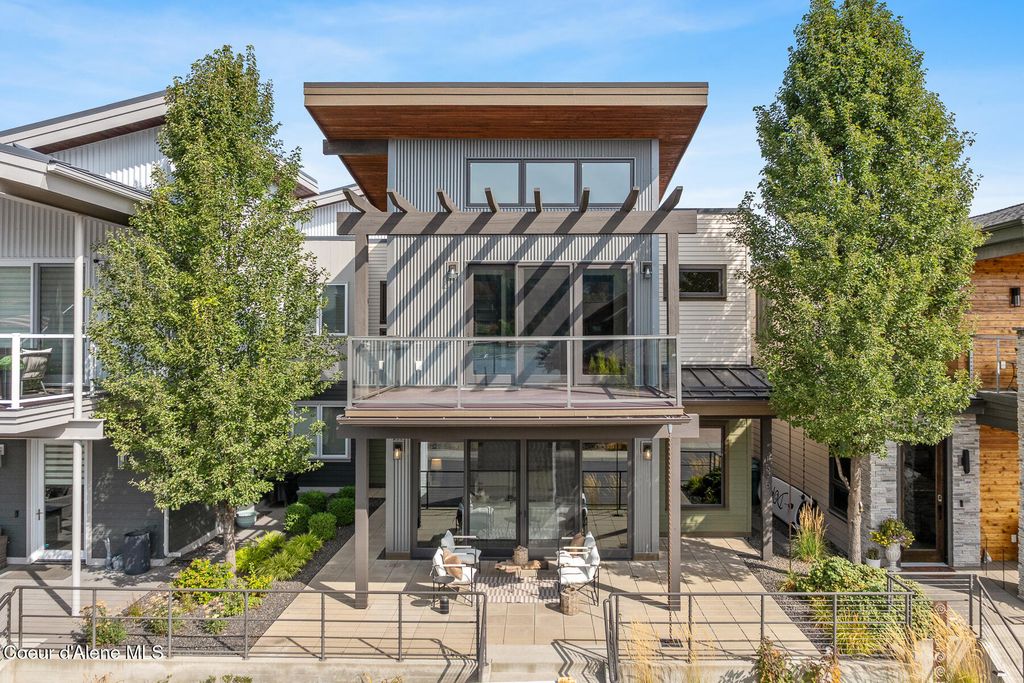
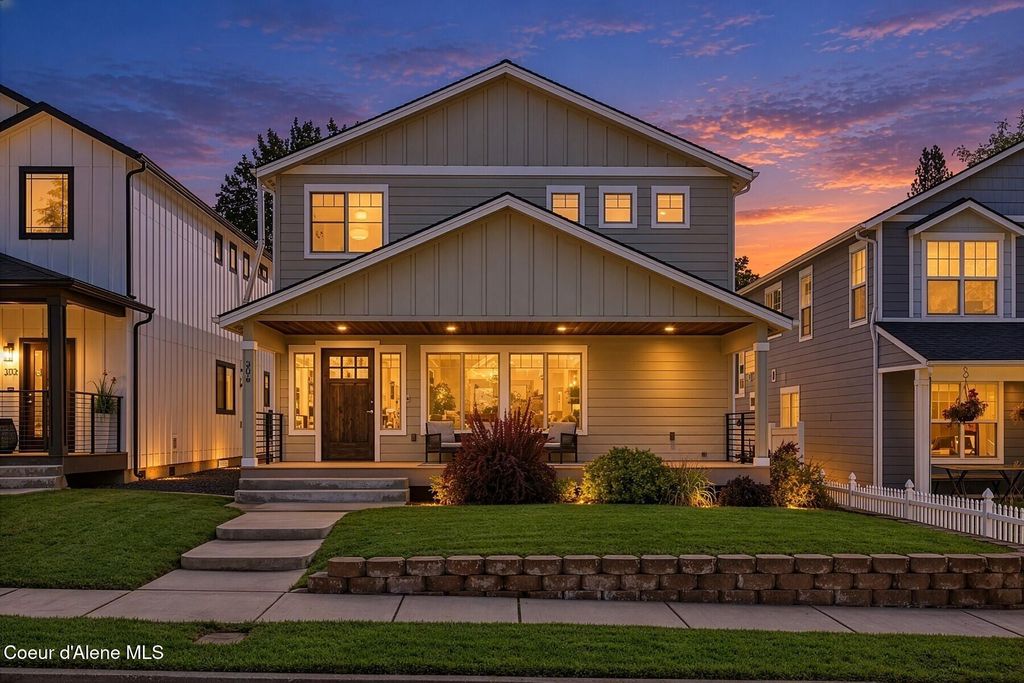
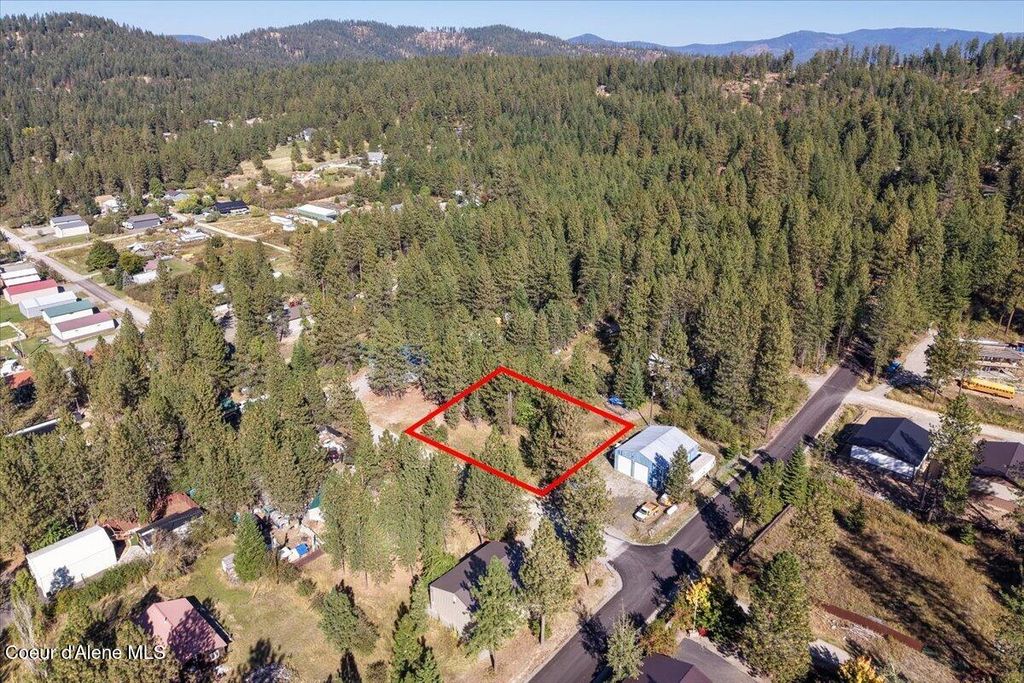
No current property results were returned for Coeur d'Alene.
Waterfront and view parcels, Garden District character homes, north-side new construction, and downtown condos each come with their own questions: dock and shoreline considerations, historic-neighborhood quirks, growth-corridor timing. Our agents who live and work in Coeur d'Alene can give you the current picture.
Reviewed by Dustin Stewart on September 21, 2026.
Area Guide content is unavailable.